
A hotel spa can have beautiful treatment rooms, carefully selected products and a strong menu, yet still deliver a different level of massage from one therapist to another. For the guest, that variation can make the experience feel unpredictable. For the spa manager, the challenge is to identify whether the difference comes from consultation, technique, communication, treatment design or the way standards are applied.
After more than 25 years of hands-on practice and experience working with massage therapists and spa teams, I do not believe consistency means asking every therapist to perform identically. Each practitioner brings a different personality, education, rhythm and sensitivity to the treatment. That individuality is valuable. The management challenge is to preserve it while ensuring every guest receives the same high standard of care.
Consistency is not about identical massages. It is about ensuring every guest can expect an excellent experience.
What does consistent massage quality mean?
Consistency begins with a shared definition of quality. Two therapists may have different rhythms or ways of combining techniques, but both should demonstrate:
- thoughtful consultation;
- hygiene and appropriate draping;
- client safety and clear professional boundaries;
- anatomical understanding and technical competence;
- confident communication;
- quality of touch;
- an understanding of the intention behind each technique;
- the ability to adapt.
A consistent standard should be visible throughout the treatment. The therapist understands the service being delivered, why each technique is appropriate and how the guest is responding. They remain present rather than simply repeating a sequence. The session should feel coherent from beginning to end, with confident touch and a clear intention behind the work.
This distinction matters because a protocol can describe a sequence, but it cannot guarantee the quality of touch. A therapist may follow every listed step and still rush transitions, use pressure without enough control or miss signs that the guest is uncomfortable. Another therapist may make small adaptations while preserving the purpose and quality of the treatment.
Why does quality vary across a spa team?
Massage therapists join a spa with different personalities, schools, qualifications and levels of experience. Even when the whole team receives the same induction, familiar terms may not mean exactly the same thing to everyone. One therapist may interpret deep tissue as maximum pressure. Another may understand it as slower, more focused work.
Variation can also appear in less obvious parts of the guest experience:
- the questions asked before the treatment;
- how confidently the therapist explains the service;
- the way pressure is introduced and adjusted;
- the quality of first contact, pacing and transitions;
- the therapist’s understanding of why each technique is appropriate;
- how the therapist responds when the guest becomes tense or uncomfortable;
- whether the treatment remains structured after it is adapted.
Therapists can develop habits they do not recognise in themselves. Constructive observation, specific feedback and opportunities to improve are essential because the practitioner cannot always feel how their work is being received.
The answer is not to make therapists copies of one another. It is to give the team a shared professional language and enough practical observation to understand how each person applies it.
Which standards should every therapist share?
A meaningful consultation
A consultation does not need to be long, but it must be meaningful. The therapist should understand why the guest booked, what they hope to receive, their pressure preferences, previous massage experiences and any areas of discomfort. Relevant health conditions, injuries or recent procedures also need to be discussed. Most importantly, the therapist must listen rather than simply complete a checklist.
Consultation does not end when the massage begins. Breathing, muscle guarding, movement and verbal feedback all give the therapist information. The treatment plan should remain flexible as the guest’s needs and responses evolve.
A clear understanding of the treatment menu
When a spa sells treatments under different names, the team should understand why each service is recommended, when it is appropriate and who it is designed for. The distinction should appear in the intention, techniques, pace, focus and communication—not only in how firmly the therapist works.
Signature massages need recognisable touchpoints and defining techniques that reflect the property. Therapists can bring their own style, but the essential experience should remain recognisable whoever performs it. Clear menu definitions also help the front desk recommend treatments accurately, so the promise made during booking matches the experience delivered in the room.
Controlled, responsive pressure
Pressure is not a fixed setting chosen before the session. It may need to change from one area to another and as the guest’s body responds. Effective depth depends on patience, positioning, sensitivity and anatomical understanding. If the guest is holding their breath, bracing or pulling away, the therapist should reassess rather than treating those reactions as a reason to push harder.
Connected technique and sustainable body use
A treatment can be technically correct and still lack the quality of touch that makes it exceptional. First contact, consistency of touch, pacing, transitions and body mechanics determine whether the session feels thoughtful and coherent.
Assessment should also consider whether therapists position and use their bodies in ways that are both effective and sustainable over a long career. Do they recognise when to slow down, change direction, adjust pressure or give an area more attention?
Professional judgement and adaptation
A therapist needs enough structure to protect the purpose of the service and enough judgement to respond to the person on the table. Adaptation should not turn the treatment into an unplanned collection of techniques. It should help the therapist deliver the agreed service safely and appropriately.
Why is a written protocol not enough?
Protocols are useful. They give the team a common structure, clarify timing, techniques and goals, and help therapists understand the intended journey. Their limitation is that they describe what should happen without teaching someone how to touch.
A protocol cannot fully convey pressure, sensitivity, rhythm or how to respond to a client’s body. Two therapists can follow the same instructions and deliver very different experiences. Practical assessment is needed to observe how the therapist makes contact, manages their own body, controls pressure, connects one area to another and communicates with the guest.
A protocol explains what to do. Practical training develops how and why.
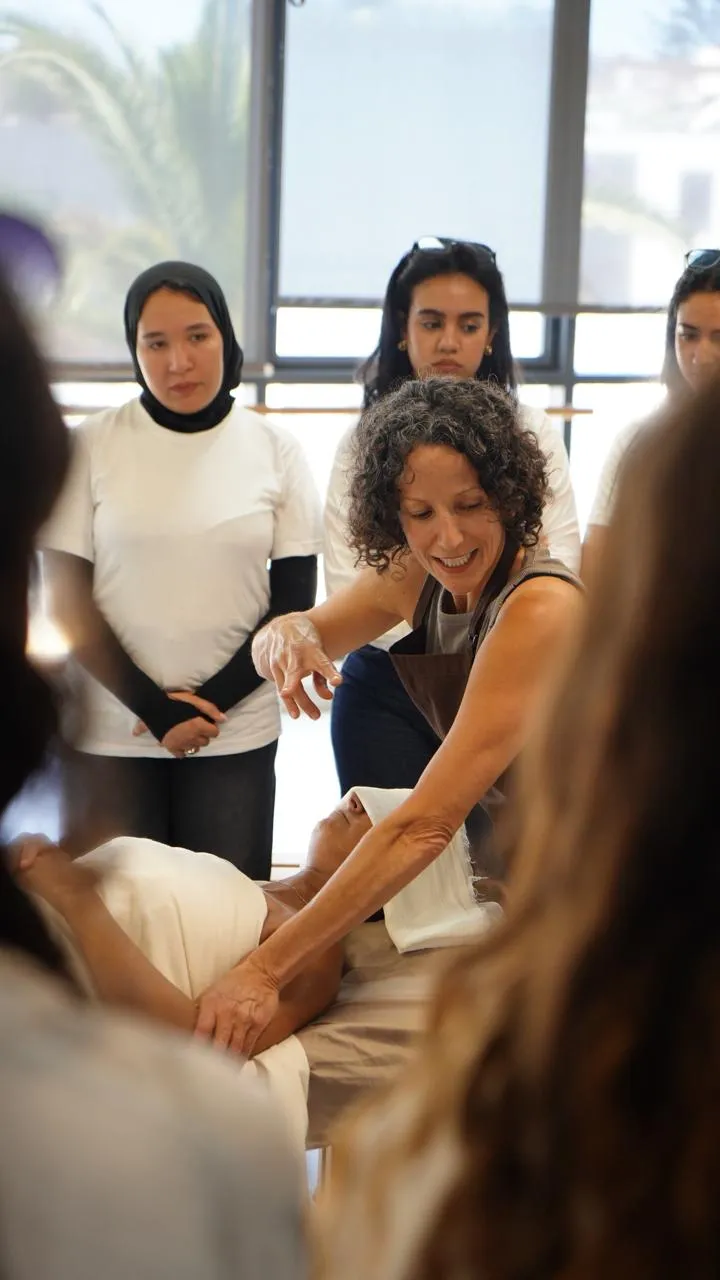
This is particularly important when a new treatment is introduced or when therapists have learned similar techniques in different ways. Demonstration, observed practice and specific feedback turn the written sequence into a service the whole team can deliver with confidence.
A practical review for spa managers
A spa manager reviewing massage consistency can begin with a small set of observable questions:
- Does the therapist establish the guest’s goal and relevant needs before beginning?
- Are hygiene, draping, safety and professional boundaries handled consistently?
- Can the therapist explain what distinguishes the booked treatment?
- Is pressure introduced progressively and adjusted when needed?
- Do contact and transitions feel controlled rather than hurried?
- Does the therapist maintain suitable body mechanics throughout the session?
- Can the therapist notice and respond to breathing, guarding or discomfort?
- Does the treatment keep its structure when an area needs more attention?
- Does the guest receive the level of professionalism promised by the spa?
These questions do not replace a technical assessment, but they help managers separate a vague concern about inconsistency from specific areas that can be observed and improved.
How calibration changed one signature treatment
At one luxury property, I assessed four capable therapists who were delivering the same signature massage in very different ways. Some started at the head and others at the feet. Some began with the guest face up, while others began face down. The time spent on the back ranged from about 15 to 45 minutes.
The issue was not a lack of ability. The team did not yet share a clear understanding of the treatment’s defining experience. Together, we agreed on its key touchpoints, a logical sequence and more balanced timing.
The therapists retained their individual touch and transitions, but the massage became recognisable as the property’s signature treatment whoever performed it. This is the role of calibration: it gives therapists a shared reference without removing the qualities that make their work personal.
Can training preserve each therapist’s individuality?
It should. Two therapists can follow the same standard and still deliver treatments that feel individual. The shared standard protects quality; the therapist’s rhythm, sensitivity and professional presence make the experience personal.
One therapist may be nurturing and slow; another may be more detailed and investigative. Both can be exceptional within the same standard. One may need help with consultation, another with transitions or pressure, and a third may have strong technical skills but need to communicate the treatment more clearly.
Targeted feedback is more useful than repeating an entire routine when only one part of the guest experience is weak. It also allows the spa to invest training time where it can make a practical difference.
When should a spa review team standards?
Assessment should be proactive rather than reserved for complaints. New therapists, new treatments, menu changes, an upcoming opening or a desire to elevate standards are all useful reasons to review a team. It is better to invest in quality before guest satisfaction slips.
Many therapists I have worked with in Morocco have had limited hands-on training, yet the vast majority have been genuinely eager and appreciative of guidance. Seeing them leave a session more confident, capable and inspired is incredibly rewarding.
A review should lead to clear priorities, which may include consultation language, technical distinctions between treatments, pressure calibration, body mechanics, transitions or the delivery of a signature protocol.
The standard guests should be able to trust
Luxury spa consistency does not mean every therapist performs identically. It means every guest can expect the same high standard of care, professionalism, safety, technical knowledge and quality of touch.
Facilities and products shape the setting, but the therapist delivers the treatment. When the team shares a clear standard and receives specific practical feedback, individual style can remain part of the experience without making quality unpredictable.
2Hands provides professional assessment, targeted training and hands-on calibration for hotel and spa teams in Morocco. I also help properties refine existing signature treatments or create new ones. My approach is collaborative: therapists should understand why they use each technique, build confidence and respect the foundations of therapeutic bodywork. The objective is to develop thoughtful, capable professionals—not simply teach more techniques.